Why Mold Isn’t Just a Nuisance, It’s a Compliance Disaster Waiting to Happen
Published on December 29, 2025 by Brian Hubka
It often starts as a faint shadow on a wall or the musty smell that doesn’t quite go away. In most places, mold is an unpleasant nuisance. But inside pharmaceutical facilities, it is something far more dangerous. A single patch of mold isn’t just a blemish on a cleanroom wall; it can be a red flag for regulatory inspectors, prompting questions about facility controls, product safety, and adherence to current Good Manufacturing Practices (cGMP).
This blog explores how mold contamination threatens compliance, disrupts production, and how surface-level solutions can prevent risks before they escalate.
Understanding the Real Threat of Mold
Mold spores are airborne, microscopic particles that exist virtually everywhere. While invisible to the naked eye, they become visible and dangerous when moisture is introduced.
Spores require two things to thrive: a surface to land on and a source of moisture. That is why wall corners, ceilings near HVAC ducts, and baseboards in high-traffic areas are common trouble spots. Once mold becomes visible, the concern shifts from maintenance to regulatory vulnerability. In heavily regulated environments, visible mold automatically triggers deeper scrutiny. Inspectors often view it as a symptom of broader environmental control issues.
Traditional cleaning methods tend to temporarily remove visible contamination. However, unless the moisture issue is addressed at the surface level, the spores often return.
A Real-World Example: Breaking the Cycle of Recurrence
One pharmaceutical facility encountered mold growth in cleanroom corridors that recurred despite strict cleaning protocols and regular air-quality checks. The issue became more frequent during seasonal humidity spikes. Each recurrence disrupted operations, delayed product release, and required investigation and documentation.
The facility implemented a moisture-repelling surface treatment that bonded to walls and baseboards, preventing water from collecting. By removing moisture from the equation, the mold cycle was broken at the source.
Over the following 12 months, no mold reappeared in the treated areas. Regulatory inspections were completed without observations related to environmental contamination. Operations remained steady, with no interruptions caused by remediation or excursions.
The Process: How Surface Protection Changes the Game
Surface protection technology provides a practical, science-driven solution to mold risk. It creates a chemically bonded, hydrophobic barrier that repels moisture and prevents mold spores from settling and growing.
The application process includes:
- Preparation – Surfaces are cleaned following established procedures to remove buildup or visible growth.
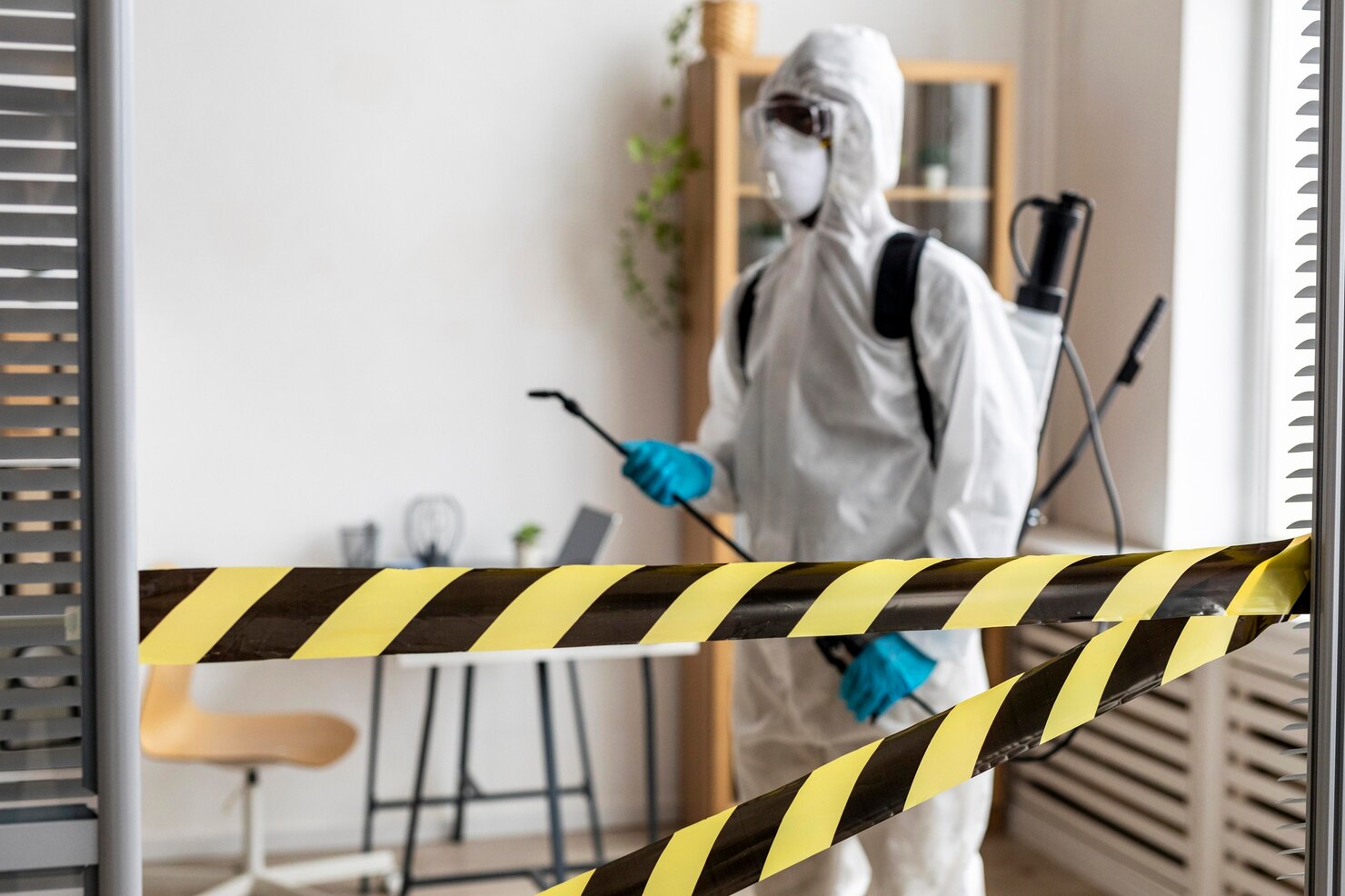
- Application – The protective solution is applied using a misting or electrostatic spraying system.
- Bonding – Within minutes, it adheres to the surface, forming an invisible and breathable barrier.
- Ongoing Protection – The treated area becomes moisture-resistant and remains mold-free for at least 12 months.
This method can be applied to a variety of surfaces, including painted drywall, stainless steel, plastic, and concrete. It offers coverage for cleanrooms, corridors, labs, and utility spaces.
Before and After: From Reactive to Preventive
Before Treatment:
- Mold appeared frequently in high-risk areas.
- Repeated cleaning and fogging were required.
- Regulatory pressure increased due to recurring contamination.
After Treatment:
- Surfaces remained dry and mold-free for over a year.
- No microbial excursions were reported in treated zones.
- Inspections were completed without contamination-related findings.
- Operational consistency improved without unplanned shutdowns.
By preventing mold rather than responding to it, the facility aligned its contamination control strategy with long-term compliance needs.
Industry Validation and Growing Confidence
Surface protection technologies have been evaluated and implemented by pharmaceutical manufacturers. These solutions have been showcased at contamination control conferences and events across the United States and Europe.
Growing adoption reflects a shift toward proactive control measures. Mold prevention is no longer seen as optional but as an essential part of environmental management. Facilities benefit not only from improved cleanliness but also from stronger documentation, reduced risk, and more consistent inspection outcomes.
Conclusion: Surface Conditions Matter
Mold on a wall may seem like a localized concern, but in pharmaceutical manufacturing, it signals environmental conditions that support microbial growth. Spores that settle in damp areas can disrupt batch schedules, invite deeper inspection, and raise compliance flags.
Preventing mold at the surface level removes the very condition that enables it. By applying hydrophobic protection where contamination typically starts, facilities strengthen their contamination control programs from the ground up.
As one industry expert put it, “Compliance begins where contamination has no place to hide.” That mindset, supported by long-lasting, moisture-resistant barriers, can help maintain clean, inspection-ready environments year-round.
Ready to reinforce contamination control from the ground up? Learn more on the official website.